The Algorithm Did What Critics Wouldn't: How Streaming Is Unearthing Hollywood's Best-Kept Early Performances
The Algorithm Did What Critics Wouldn't: How Streaming Is Unearthing Hollywood's Best-Kept Early Performances
There's something almost poetic about the fact that the same recommendation engine designed to keep you subscribed to a streaming service is accidentally functioning as one of the most effective film preservation tools in recent memory. Nobody at Netflix headquarters sat down and said, "Let's help cinephiles trace Pedro Pascal's career trajectory." And yet, here we are — a generation of viewers stumbling across a 2015 episode of Graceland or a micro-budget British thriller from 2016 and thinking, wait, is that...?
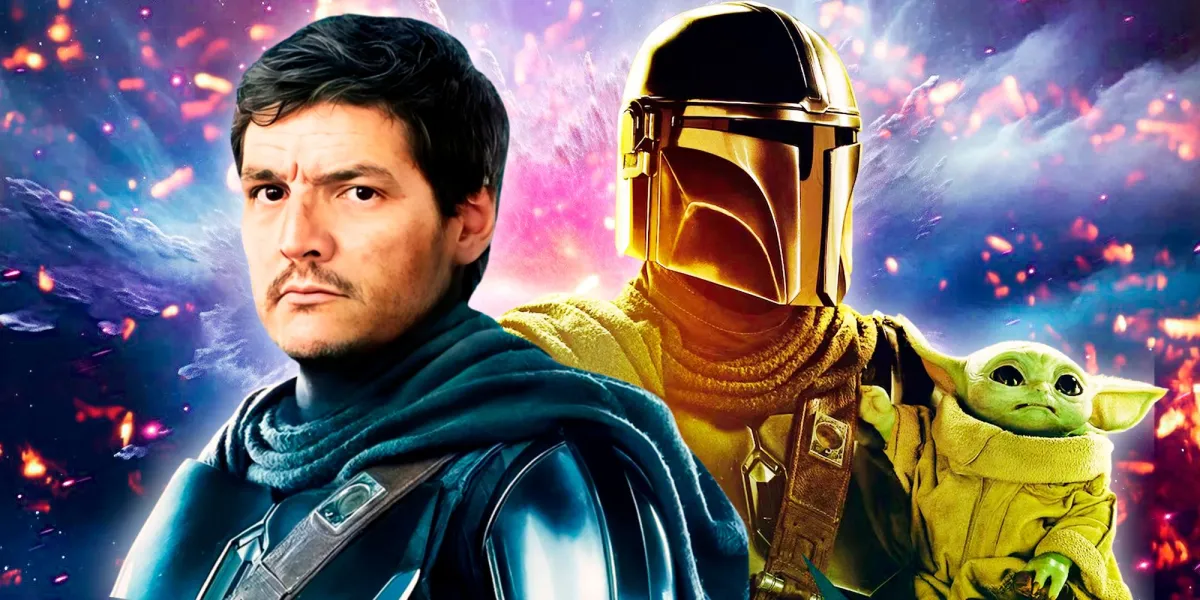 Photo: Pedro Pascal, via static1.srcdn.com
The algorithm is doing film archaeology. And honestly? It's better at it than most critics ever were.
The Recommendation Engine as Time Machine
The mechanics are straightforward, even if the results feel almost accidental. When a performer breaks through — really breaks through, in the way that Florence Pugh did after Midsommar and Little Women, or the way that Pedro Pascal went stratospheric post-The Mandalorian — platforms respond by surfacing every piece of licensed content featuring that person. It's engagement math. If you just finished The Last of Us, the algorithm knows there's a reasonable chance you'll click on a 2015 Chilean thriller called Narcos where a younger, less-famous Pascal is working with noticeably less safety net.
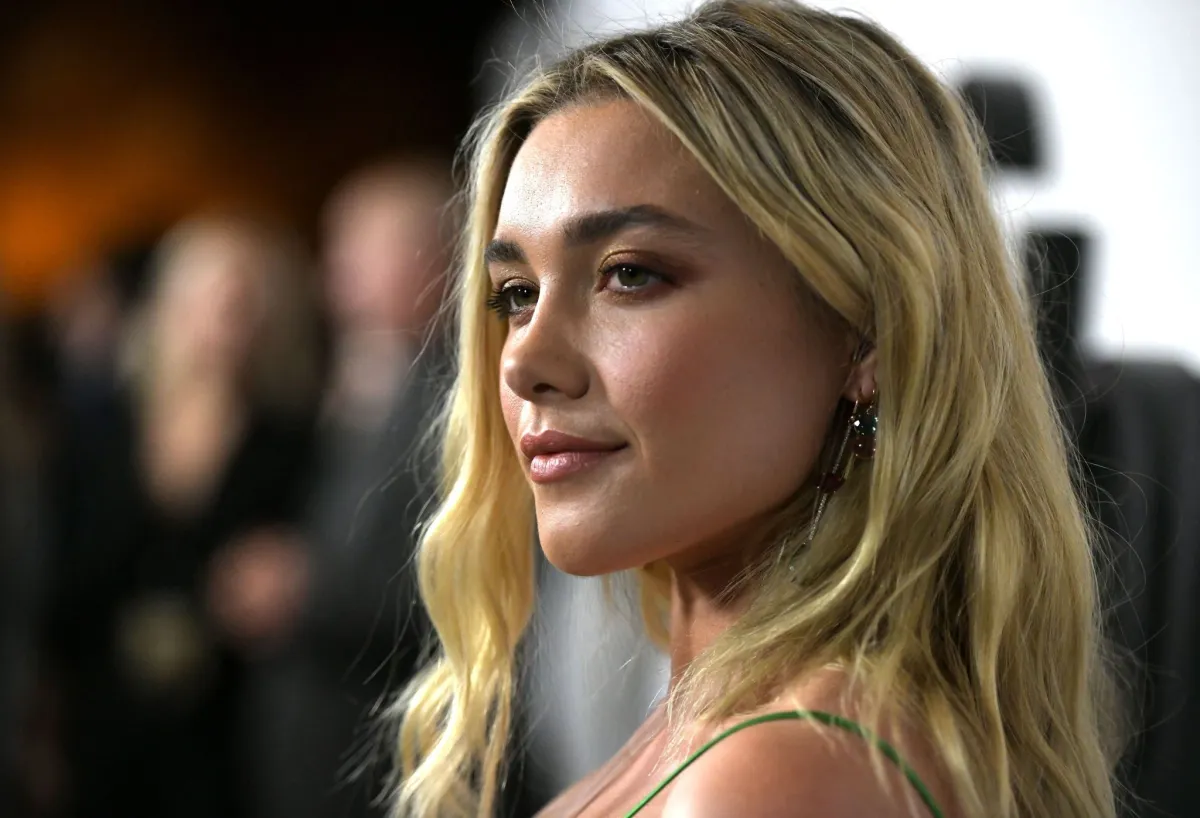 Photo: Florence Pugh, via www.satiny.org
The result is something film schools used to require: a chronological study of an actor's development. Except now it's delivered to your couch at 11 p.m. on a Tuesday, sandwiched between reality competition shows.
Florence Pugh: The Performance That Should Have Made Her Famous Sooner
Let's start with one of the clearest examples. Before Midsommar, before her Marvel debut, before the Oscar nomination for Little Women, Florence Pugh made a quiet, devastating British film called Lady Macbeth in 2016. It screened at festivals, got solid notices from UK critics, and then largely disappeared into the ether for American audiences.
Today, if you search Pugh on any major streaming platform, Lady Macbeth surfaces almost immediately — and for viewers discovering it fresh, the experience is genuinely startling. The control she demonstrates at 21 years old, the stillness, the capacity to make a morally reprehensible character feel completely inhabited rather than performed — it's all there. Everything that made her a critical darling in Little Women is visible in embryonic form.
Critics who covered the festival circuit knew. Everyone else had to wait for an algorithm to connect the dots.
Pedro Pascal and the Art of the Near-Miss
Pascal's trajectory is a slightly different case study, and in some ways a more instructive one. His pre-Game of Thrones work is a patchwork of procedural guest spots, supporting roles in mid-tier cable dramas, and a handful of film appearances that never quite landed. None of it screamed "future franchise anchor."
And yet, when you go back and watch his 2014 Game of Thrones arc as Oberyn Martell — which many viewers are doing now, driven by his post-Last of Us fame — you can see the charisma operating at full capacity. The confidence, the specificity of his choices, the way he made a relatively limited number of episodes feel like a complete character study. The building blocks were always visible. The audience just hadn't been pointed at them.
Streaming platforms are now essentially creating informal retrospectives for actors who never got them. That's not nothing.
The Question Nobody's Really Asking: Is This Actually Good for Film Culture?
Here's where it gets interesting, and where Video Detective has to put on its investigative hat for a second.
The algorithm surfaces these early performances not out of any curatorial instinct, but because engagement data suggests viewers want them. That's a meaningful distinction. The difference between a streaming recommendation and a film critic's retrospective is intentionality. A good critic watches Lady Macbeth in 2016 and writes about it in a way that builds a cultural argument — about British independent cinema, about the representation of female ambition, about what the film is doing formally. The algorithm just knows you watched Oppenheimer twice.
But here's the counterargument, and it's a compelling one: the critic's retrospective reaches thousands of readers. The algorithm reaches millions of viewers. If the end result is that more people watch Florence Pugh in Lady Macbeth and come away with a richer understanding of her as a performer, does the mechanism really matter?
There's a reasonable case that it doesn't. And a reasonable case that it absolutely does.
Other Names Worth Investigating
The phenomenon extends well beyond the two most obvious examples. Viewers who fell hard for Abbott Elementary have been algorithmically nudged toward Quinta Brunson's earlier digital work, including her Buzzfeed video series — which, viewed now, is clearly the work of someone who understood comedic timing and character construction long before network television figured it out.
Similarly, Oscar Isaac completionists who started with Moon Knight or Ex Machina are being served his 2013 Coen Brothers film Inside Llewyn Davis — a film that received strong reviews but minimal mainstream attention at the time. Watching it now, in the context of everything Isaac has done since, it plays like a secret origin story.
And then there's Zendaya, whose early Disney Channel work is now being viewed through an entirely different lens by the audience that discovered her through Euphoria and Dune. The raw material was always there. The framing just changed.
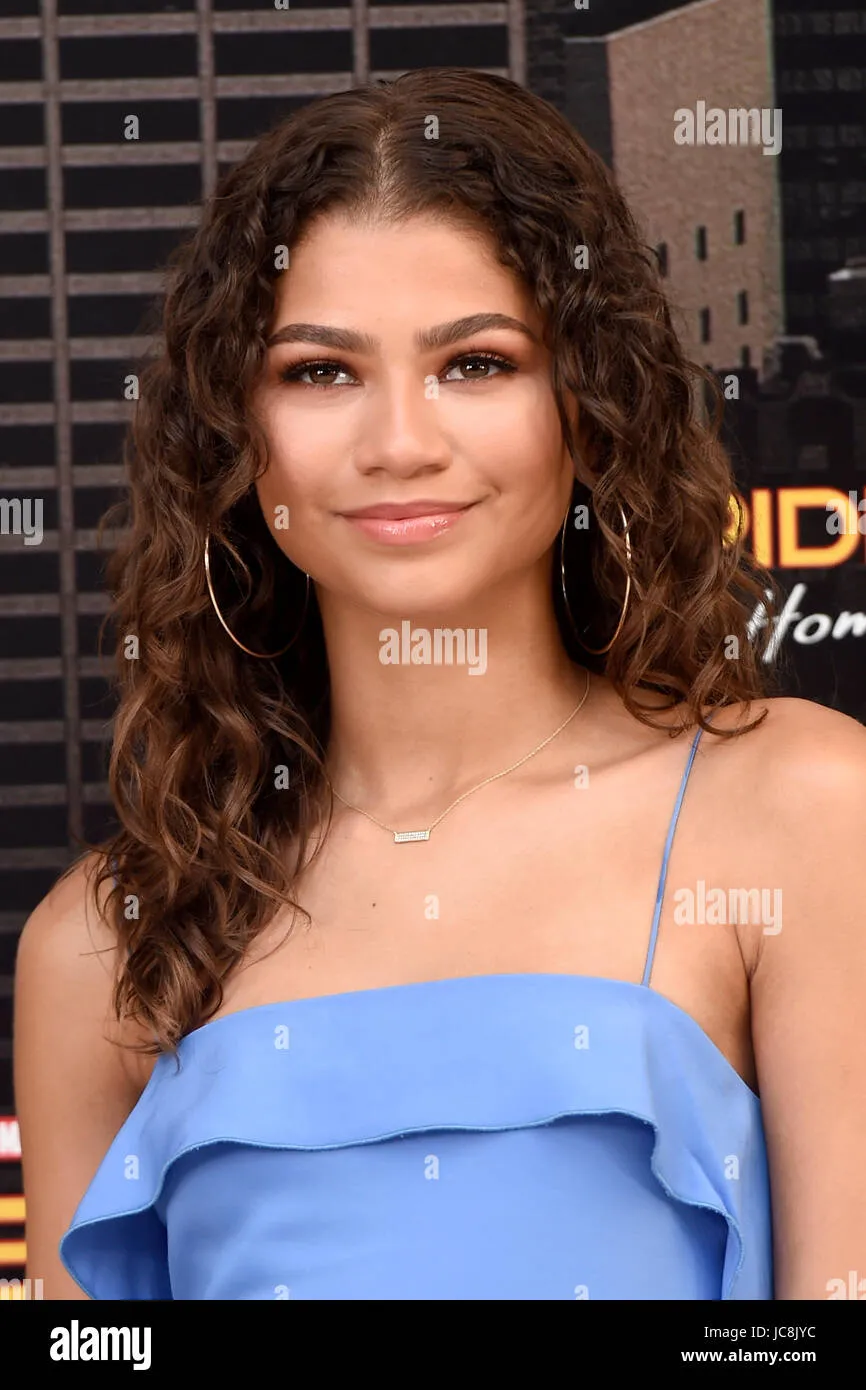 Photo: Zendaya, via c8.alamy.com
What This Means for How We Think About Star-Making
For most of Hollywood's history, the narrative of a star's emergence was controlled — by studios, by publicists, by the trades, by the handful of critics with enough column inches to matter. An actor became famous when the industry decided they were famous. Their earlier work existed in a kind of limbo, accessible only to the dedicated or the lucky.
Streaming hasn't eliminated that system, but it has punched some significant holes in it. The back catalog is now searchable, surfaceable, and — crucially — watchable within the same interface where you just finished the thing that made you curious in the first place. The friction is gone.
What replaces the old star-making machine isn't necessarily better or worse. It's just different. More democratic in some ways, more algorithmically arbitrary in others. The performances that get resurrected are the ones attached to actors who broke through on platforms that have licensing deals with the right distributors. Plenty of genuinely remarkable early work still sits in vaults, unavailable to any recommendation engine because the rights are a nightmare.
The Verdict
The streaming algorithm is an imperfect archaeologist. It digs where the data tells it to dig, not where the most interesting artifacts are buried. But in the process of following engagement signals, it has stumbled onto something that film culture genuinely needed: a mechanism for audiences to trace the development of the performers they love, in real time, without requiring a film degree or a Criterion subscription.
Is it doing better film archaeology than critics? In terms of reach, almost certainly. In terms of depth and intentionality, not even close. But the two don't have to be in competition. The algorithm surfaces the film. The curious viewer watches it. And maybe — just maybe — they go looking for the review that a critic wrote about it in 2016 that nobody read at the time.
That's not a bad outcome. That's actually kind of a great one.