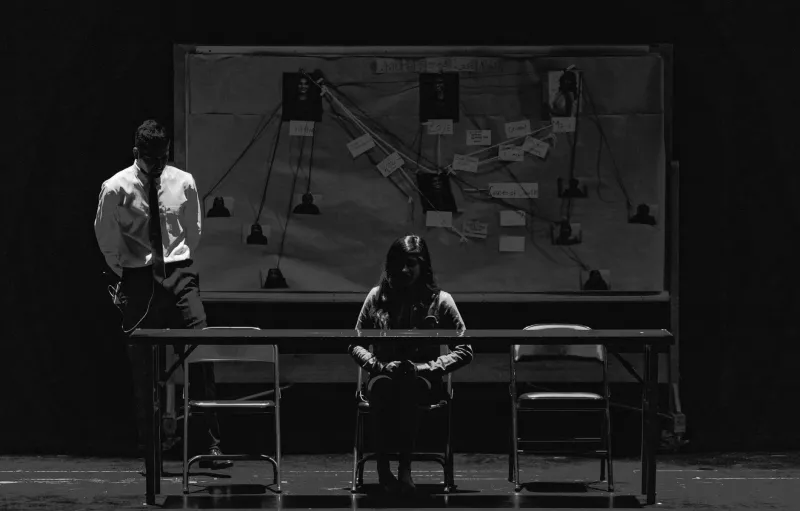
Bait and Switch: Investigating the Hollywood Trailer Footage That Never Made It to Screen
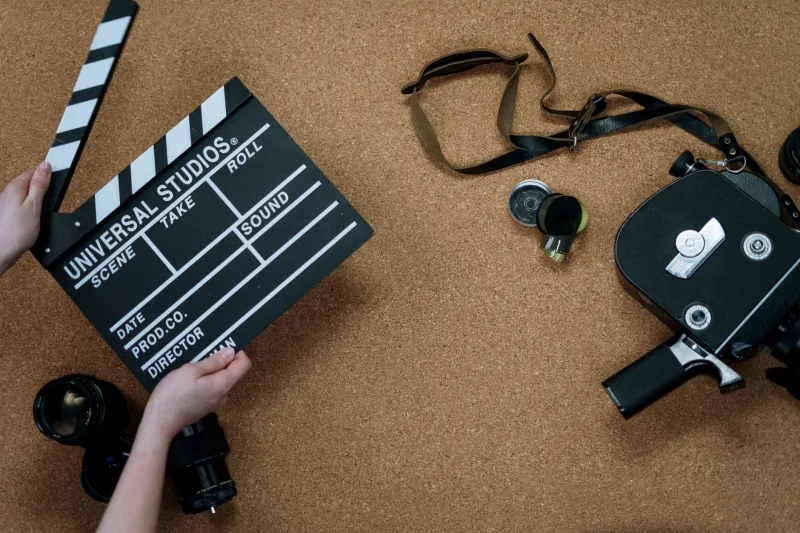
Imagine sitting in a theater, popcorn in hand, replaying a shot in your head — a line of dialogue, a moment you'd been hyped about since the first teaser dropped. You waited months for it. And then the credits roll, and it never came. Not cut short. Not repositioned. Just... gone.
Welcome to one of Hollywood's least-discussed open secrets: trailer-exclusive footage. The practice of shooting scenes specifically for promotional use — scenes that have no intention of ever appearing in the finished film — is more common than most moviegoers realize. And the more you start looking for it, the more it starts to feel less like a marketing quirk and more like a deliberate misdirection.
Let's crack this one open.
The Evidence Locker: High-Profile Cases Worth Examining
The examples aren't hard to find once you know what you're looking for. Suicide Squad (2016) is probably the most notorious offender in recent memory. The film's early trailers were electric — slick, stylized, set to Queen's "Bohemian Rhapsody" and later "Ballroom Blitz" — and packed with footage and line deliveries that simply didn't exist in the theatrical cut. Joker's scenes were restructured. Entire exchanges were rearranged. The tone projected in those trailers was so different from the finished product that fans didn't just feel disappointed — they felt deceived.
Then there's Terminator: Dark Fate (2019), which included shots in its marketing campaign that were either significantly altered or absent entirely from the release. Or take Morbius (2022), where a post-credits scene teasing a crossover appeared in trailers but was reworked by the time the film hit theaters — leaving audiences confused about what they'd actually seen in the campaign versus what the studio had committed to on screen.
Go back further and the pattern holds. The Panic Room (2002) trailer famously included a shot of Jodie Foster's character that used digital effects to place her in a scene she wasn't physically present for during filming. That one made headlines in the industry. It was a technical flex, sure — but it also illustrated exactly how willing marketing departments are to construct their own version of a movie.
Why Studios Do It — And Why It Works
The motivations aren't mysterious. Trailers are often assembled while a film is still in post-production, sometimes before the edit is even locked. Marketing teams are working against deadlines, building hype cycles that need to start months — sometimes over a year — before release. The footage they have access to may be incomplete, unfinished, or simply not representative of the direction the final cut is heading.
So they fill in the gaps. They shoot pickup scenes tailored for promotional use. They pull from alternate takes that the director ultimately rejected. They construct sequences that convey a mood or a plot impression the actual movie might not quite deliver.
From a pure marketing standpoint, it's rational. A trailer is an advertisement, and advertisements are designed to sell. The job isn't to accurately represent the product — it's to get people into seats. Studios have known for decades that a well-cut two-and-a-half-minute reel can override critical consensus, overcome middling word-of-mouth, and open a film to a wide audience that might otherwise have passed.
The problem is the audience on the other end of that transaction.
The Disconnect Between the Ad and the Movie
What's increasingly clear is that trailers have evolved into their own genre — a separate creative product with its own logic, its own emotional arc, its own internal promises. And those promises don't always align with what ends up on screen.
This matters because audiences build expectations. Fans dissect trailers frame by frame. They write forum posts. They construct theories. They get emotionally invested in a version of a film that, in some cases, was never going to exist. When the movie arrives and those moments are absent, the reaction isn't just disappointment — it's a specific kind of betrayal, the feeling that the studio sold them something that wasn't real.
That sentiment has gotten louder in the social media era, where trailer breakdowns rack up millions of views and missing footage becomes a talking point within hours of a film's opening weekend. The internet has essentially deputized audiences as investigators, and studios are increasingly getting caught.
Where the Line Gets Blurry
To be fair, not every case of missing trailer footage is a cynical con. Filmmaking is a messy process. Scenes get cut for pacing. Plot directions shift in the edit. A moment that looked great in isolation might not survive contact with the full narrative. Directors and editors make these calls for legitimate creative reasons, and sometimes the trailer was assembled before those decisions were finalized.
There's also a meaningful distinction between scenes that were shot for the film but cut before release — which is standard — and footage produced exclusively for the trailer with no intention of appearing in the movie. The former is a normal part of production. The latter is a deliberate construction of a false impression.
The industry doesn't always draw that line clearly, and studios have little incentive to explain themselves. There's no regulatory body overseeing trailer accuracy. No disclosure requirement. No fine print.
What It Reveals About the Machine
Dig into this practice long enough and it starts to say something bigger about how Hollywood thinks about its audience. When a marketing department is willing to fabricate footage, to engineer a version of a film that doesn't exist, what they're really revealing is that they trust the trailer more than the movie. They believe the advertisement is more compelling than the product.
Sometimes they're right. Suicide Squad opened to over $133 million domestically despite a critical drubbing, largely on the strength of its marketing. The trailer did its job. That the movie underneath it was a different animal entirely was, from a pure box office standpoint, almost beside the point.
But audiences have longer memories than opening weekends. The films that pull this kind of bait-and-switch rarely build the sustained goodwill that turns a release into a franchise or a cult classic. Trust is hard to rebuild once it's spent.
The Verdict
Trailer-exclusive footage isn't going away. As long as studios are racing to build hype on incomplete films and marketing teams are incentivized to maximize opening weekends, the practice will continue. The tools have only gotten more sophisticated — digital effects can now place actors in environments they never set foot in, and AI-assisted editing can remix footage into impressions that bear little resemblance to the finished product.
The best defense, for now, is awareness. Know that what you're watching in a trailer is a curated argument for why you should buy a ticket — not a reliable preview of what you'll find inside the theater. Approach it like any good detective would: with interest, with engagement, and with a healthy skepticism about what's being shown versus what's being hidden.
The footage that wasn't there was always trying to tell you something. You just had to know to look for the missing pieces.